Maine Lobster
Hatcheries
Research. Conservation. Understanding.
For more than a century, lobster hatcheries have helped scientists study lobster biology, test enhancement strategies, and explore ways to support healthy fisheries. Their history offers valuable lessons about the opportunities—and limits—of intervention in the marine environment.


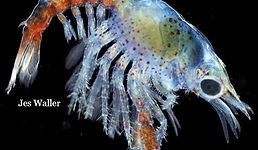
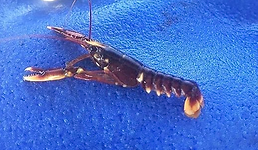
Lobster hatcheries have served many purposes over the past 140 years. They have incubated eggs, raised juvenile lobsters for release, tested whether hatchery-reared lobsters survive in the wild, and supported research on behavior, disease, genetics, nutrition, and environmental change.
While hatcheries can successfully produce and release lobsters, proving measurable benefits to wild fisheries has often been difficult, expensive, and inconclusive.
Today, hatcheries are increasingly viewed as valuable tools for research, education, and innovation rather than a simple solution to declining lobster populations.